
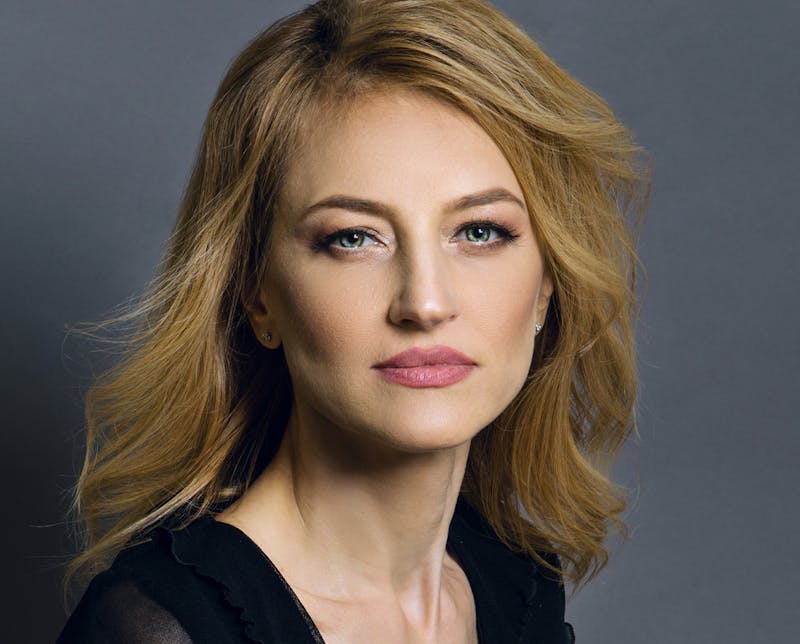
A drooping eyelid that returns after ptosis surgery can be discouraging, especially after already going through one recovery. The first step is an evaluation with an oculofacial specialist who can pinpoint why the repair didn't hold, whether it's undercorrection, a stretched muscle, or a missed diagnosis. Dr. Flora Levin is a board-certified oculofacial plastic surgeon in Westport, Connecticut, who has performed thousands of eyelid procedures and regularly treats patients referred for complex revisions.
Correcting a relapsed repair takes more precision than the original surgery, but with the right specialist, it can restore both function and confidence.
Why a Ptosis Repair Can Fail or Relapse
Ptosis surgery works by tightening one of two muscles that lift the eyelid: the Muller's muscle or the levator. When either muscle stretches again after surgery, or when the original tightening wasn't enough, the eyelid can begin to droop once more. Overcorrection creates the opposite problem: an eyelid pulled too high, or one that no longer closes fully.
A missed diagnosis can also play a role. Some patients have true muscle-based ptosis, while others simply have excess eyelid skin or fat, a condition often mistaken for it. Treating the wrong cause is a common reason a droopy eyelid returns after surgery.
Signs Your Eyelid May Need a Second Look
Patients considering revision surgery often notice one or more of the following changes in the months after their original procedure:
- Drooping returns and begins covering part of the pupil again
- Noticeable asymmetry between the two eyes
- Difficulty closing the eye fully or a new sense of dryness
- A visible scar or an eyelid crease that looks unnatural
- Persistent eye fatigue or heaviness by the end of the day
These signs are worth a conversation with a specialist, especially once the eyelid has fully healed from the first surgery.
Why Revision Ptosis Surgery Calls for a Specialist
Revision procedures are inherently more complex than a first surgery, since scar tissue can reduce blood supply and distort the eyelid's normal anatomy. General plastic surgeons and dermatologists both perform eyelid surgery, but oculofacial plastic surgeons complete additional fellowship training focused on the eyelids, tear ducts, and eye socket. That training matters most in revision cases, where a surgeon must work around scarring without compromising eyelid function.
Recovery After Revision Ptosis Repair
Recovery after a revision procedure follows a similar timeline to the original surgery, though healing can take longer if there's more scar tissue to address. Swelling and bruising often peak within the first 48 to 72 hours, and icing during the first two days can help keep both in check. Most patients resume normal activity within seven to ten days and can wear eye makeup again after about two weeks. Some tightness or slight asymmetry early on is normal and typically resolves as the eyelid settles into place.
Trust Your Revision to Flora Levin, MD, FACS
A failed or relapsed ptosis repair doesn't have to be permanent. With an accurate diagnosis and a surgeon trained specifically in eyelid anatomy, most patients can still reach the result they originally hoped for. Dr. Levin's oculofacial background and experience with complex revisions make her a trusted resource for patients throughout Westport, Fairfield, Westchester, and the surrounding Connecticut area. Contact her office today to schedule a consultation and find out whether revision ptosis repair is the right next step.
This information is provided for educational purposes only and does not replace a consultation with a board-certified oculofacial plastic surgeon. Outcomes, risks, and suitability vary from patient to patient.