
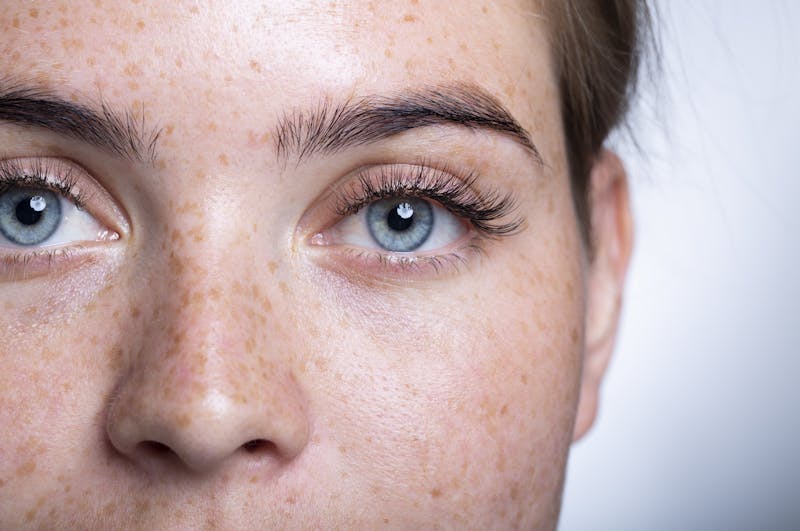
For many patients who have worn eyelash extensions for years, the eyelid area can begin showing signs of stress, from thinning natural lashes to increased skin laxity and irritation. Board-certified oculofacial plastic surgeon Flora Levin, MD, FACS, has the specialized training and expertise to evaluate how long-term extension use may have affected your eyelids and determine whether upper blepharoplasty is right for you.
In this blog, we'll discuss how eyelash extensions can impact the eyelid area over time, what to consider before scheduling upper eyelid surgery, and why working with an eyelid specialist matters.
How Long-Term Eyelash Extensions Can Affect the Eyelid Area
Eyelash extensions are applied using semi-permanent adhesives, many of which contain formaldehyde and other chemicals known to cause irritation and inflammation. Over months and years of continuous use, this repeated exposure can take a toll on the delicate eyelid skin and natural lash follicles.
A few ways they can affect your eyelids include:
- Traction alopecia: Repeated tension from the weight of extensions can cause natural lashes to thin or fall out, sometimes permanently damaging the follicle.
- Chronic blepharitis: Buildup of bacteria and debris around the lash line can lead to ongoing eyelid inflammation that worsens over time.
- Eyelid heaviness and laxity: Studies have shown that 34% of extension users report heavy eyelids, and the constant weight on the lid margin may contribute to the stretching of the delicate eyelid skin.
- Compromised eyelid hygiene: Many extension wearers avoid thorough cleansing to preserve their lashes, which can allow debris and Demodex mites to accumulate.
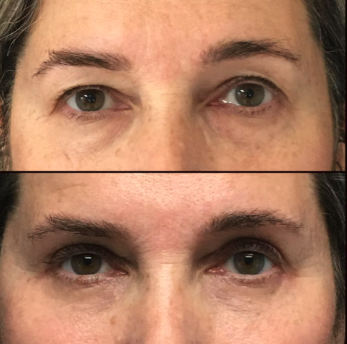
*Real Patient: 1 month after blepharoplasty procedure
What to Consider Before Upper Blepharoplasty
If you've been wearing eyelash extensions for an extended period, Dr. Levin recommends removing them well before your blepharoplasty consultation. This allows her to accurately assess the following:
- Lash recovery time: Natural lashes may need several weeks to months to recover after extension removal, giving Dr. Levin a clearer picture of your baseline lash health.
- Inflammation management: Any active blepharitis or irritation should be resolved before surgery to minimize complications and support optimal healing.
- Accurate assessment: Without extensions, Dr. Levin can evaluate the true position of your eyelid, detect any ptosis, and determine how much excess skin should be addressed.
Why an Eyelid Specialist Makes a Difference
An eyelid specialist makes a difference for the following reasons:
- Precision approach: Dr. Levin carefully evaluates the skin, muscle, and fat of each eyelid to avoid overcorrection and ensure natural-looking results.
- Comprehensive evaluation: Her background in ophthalmology means she also assesses tear film health and dry eye conditions that long-term extension wearers may be more prone to.
- Tailored surgical plan: Every patient's eyelids are unique, and Dr. Levin customizes each procedure based on the individual anatomy and goals she observes during the consultation.
Considering Upper Eyelid Surgery? Trust Dr. Flora Levin, MD, FACS
Whether long-term eyelash extensions have left your eyelids feeling heavy, your natural lashes thinning, or your skin showing signs of premature aging, Dr. Levin brings the specialized training and meticulous approach needed to help you achieve refreshed, natural-looking results.
Contact her Westport, Connecticut office today at (203) 557-6464 to schedule your consultation.